The Ironbound District: Complete Neighborhood Guide
Newark's Ironbound District stands as one of New Jersey's most culturally rich and strategically located neighborhoods, offering an authentic urban experience just minutes from Manhattan. Known for its vibrant Portuguese and Brazilian communities, exceptional dining scene, and unparalleled transit connectivity, the Ironbound has evolved into a premier destination for professionals seeking authentic city living without Manhattan price tags. This historic district, bounded by railroad tracks that give it its distinctive name, combines Old World charm with modern convenience, making it an increasingly attractive option for NYC commuters and urban enthusiasts alike.
History and Cultural Heritage
The Ironbound District's story begins in the late 19th century when Portuguese immigrants first settled in the area, drawn by industrial jobs and affordable housing. The neighborhood's name derives from the railroad tracks that historically enclosed the district on three sides, creating natural boundaries that helped preserve its unique cultural identity.
Throughout the 20th century, waves of immigration from Portugal, Brazil, and other Latin American countries transformed the Ironbound into a thriving multicultural enclave. Ferry Street became the commercial heart, lined with family-owned businesses, authentic restaurants, and specialty shops that continue to serve both locals and visitors from across the tri-state area.
Today's Ironbound maintains its cultural authenticity while embracing modern development. Historic architecture blends seamlessly with contemporary residential projects like Iron65, creating a neighborhood that honors its past while building toward the future.
Culinary Scene and Dining
The Ironbound District is widely recognized as one of the East Coast's premier destinations for authentic Portuguese and Brazilian cuisine. Ferry Street serves as the neighborhood's culinary corridor, featuring dozens of restaurants that have earned recognition from food critics and publications nationwide.
Signature dining experiences include traditional rodizio-style Brazilian steakhouses, family-run Portuguese tavernas serving fresh seafood and hearty stews, and casual spots offering authentic pastéis de nata and bifanas. Many establishments have been family-owned for generations, maintaining recipes and preparation methods passed down through decades.
Beyond Portuguese and Brazilian fare, the district offers diverse international dining options, reflecting its evolving demographics. Modern gastropubs, artisanal coffee shops, and fusion restaurants complement traditional establishments, creating a dining scene that appeals to both longtime residents and newcomers.
The neighborhood's grocery stores and specialty markets provide access to authentic ingredients, imported goods, and hard-to-find items that support the district's culinary culture. Weekend farmers' markets add seasonal local produce to the mix, enhancing the area's reputation as a food lover's destination.
Transportation and Commuter Convenience
The Ironbound District's proximity to Newark Penn Station creates unmatched commuter convenience for New York City workers. Located approximately 8-10 blocks from the station—roughly a 10-minute walk—residents enjoy direct access to multiple transit lines without the hassle of driving or parking.
Newark Penn Station serves as a major transportation hub, offering NJ Transit trains to Manhattan's Penn Station in approximately 20 minutes, PATH service to World Trade Center in 22 minutes, and connections throughout New Jersey. For comprehensive route information, our detailed guide on NJ Transit Newark to NYC routes provides schedules and travel tips.
Newark Liberty International Airport sits just 5 minutes away, making the Ironbound ideal for frequent travelers. The AirTrain connection provides convenient airport access without lengthy drives or expensive taxi rides.
According to official NJ Transit data, choosing public transportation over driving alone can reduce carbon emissions by up to 69%, making the Ironbound an environmentally conscious choice for eco-minded residents. The neighborhood's walkable design and transit connectivity support sustainable urban living.
Cost of Living and Financial Benefits
Living in the Ironbound District offers significant financial advantages for NYC workers, particularly regarding tax savings and housing costs. New Jersey residents working in New York City are exempt from NYC income tax, creating substantial annual savings depending on income levels.
This tax advantage can result in savings of $3,000-$9,000 annually for many professionals. Our detailed explanation of how the no NYC tax rule works provides specific examples and calculations for different income brackets.
Housing costs in the Ironbound remain competitive compared to Manhattan and many Brooklyn neighborhoods, while offering newer construction, better amenities, and more space. Modern developments provide luxury features typically unavailable or prohibitively expensive in comparable NYC locations.
Additional cost benefits include lower parking fees, reduced dining costs due to authentic neighborhood restaurants, and access to New Jersey's lower sales tax rates on many items. These cumulative savings can significantly impact long-term financial planning for residents.
Modern Living and Development
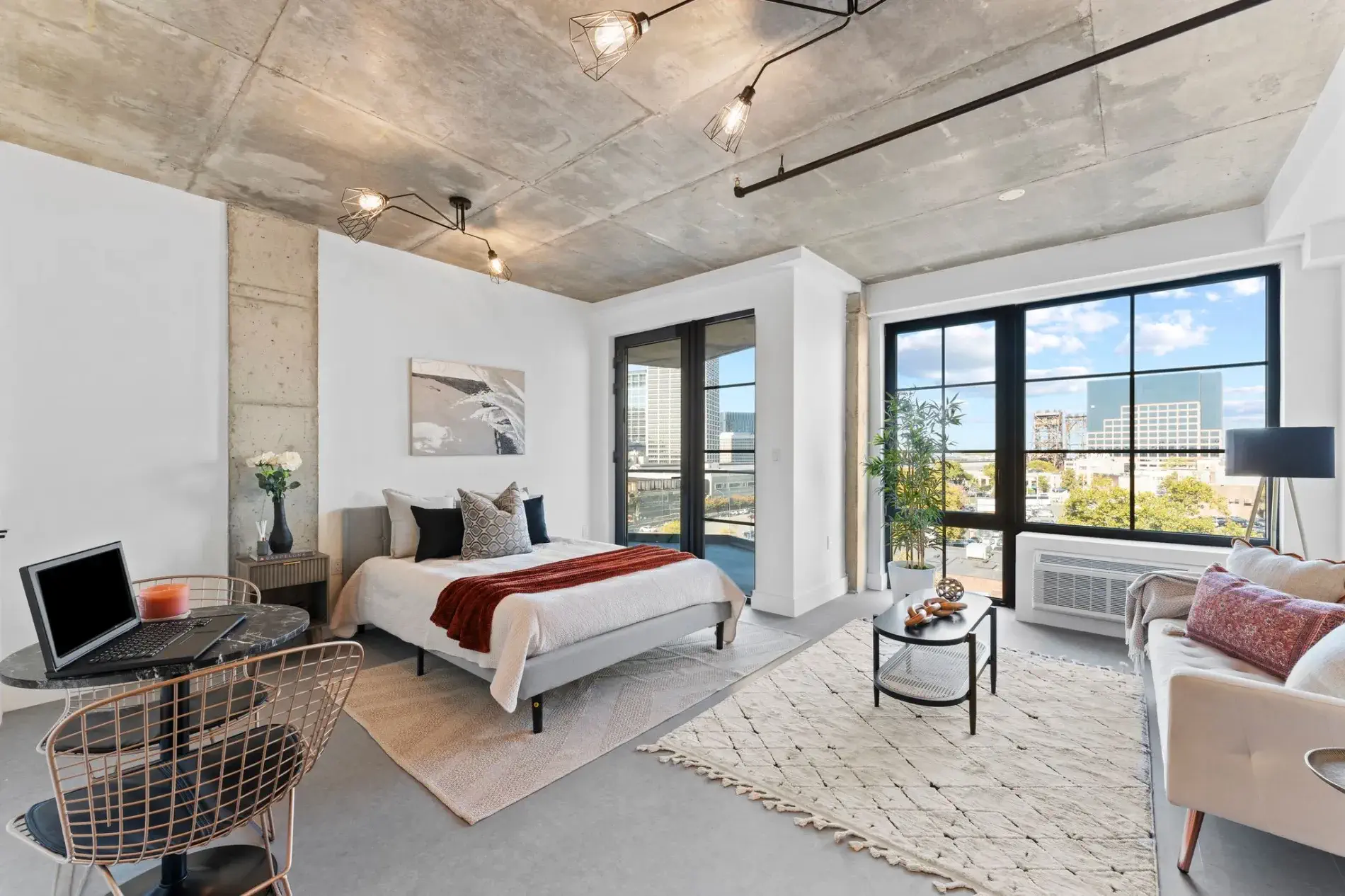
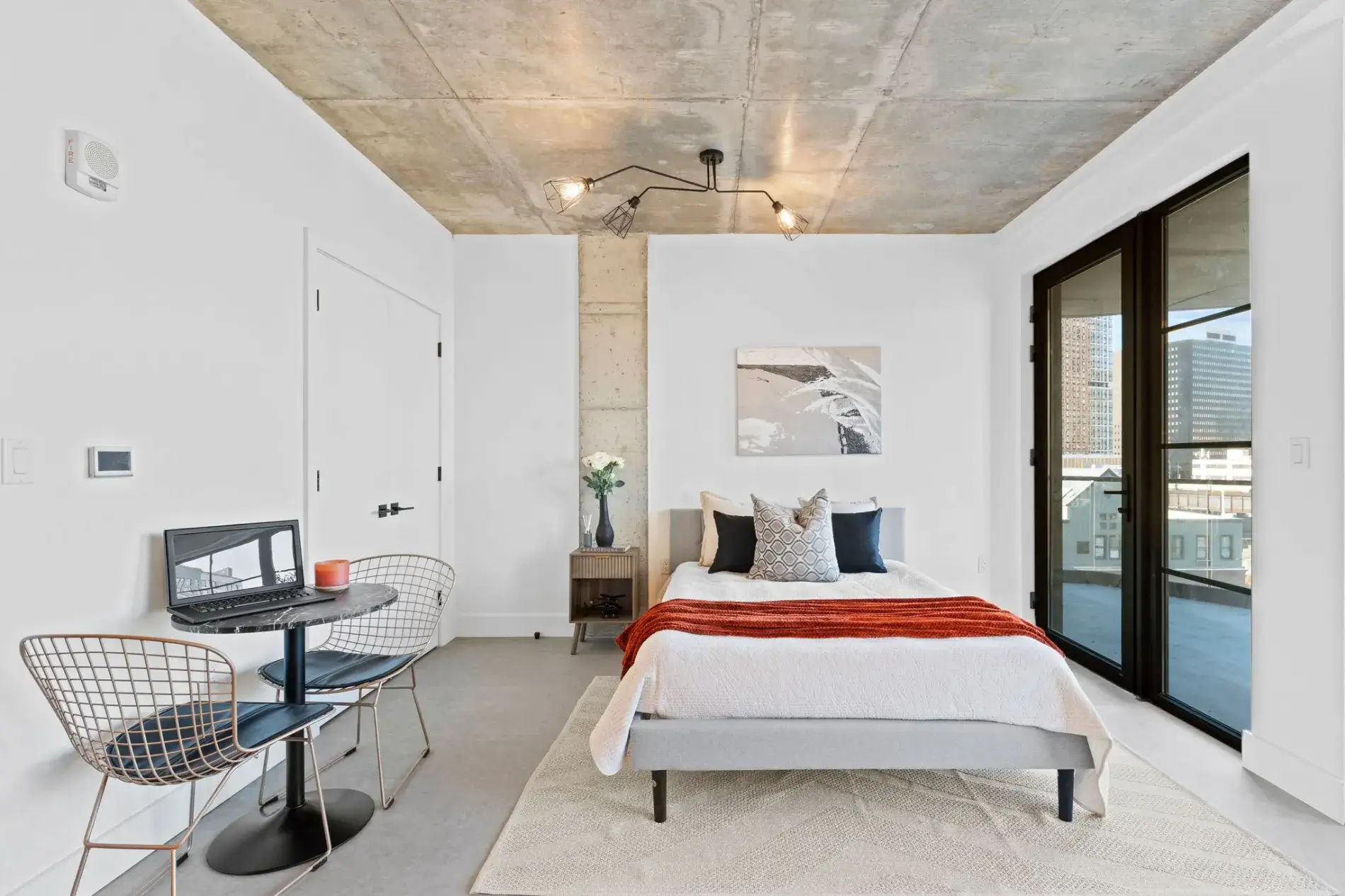
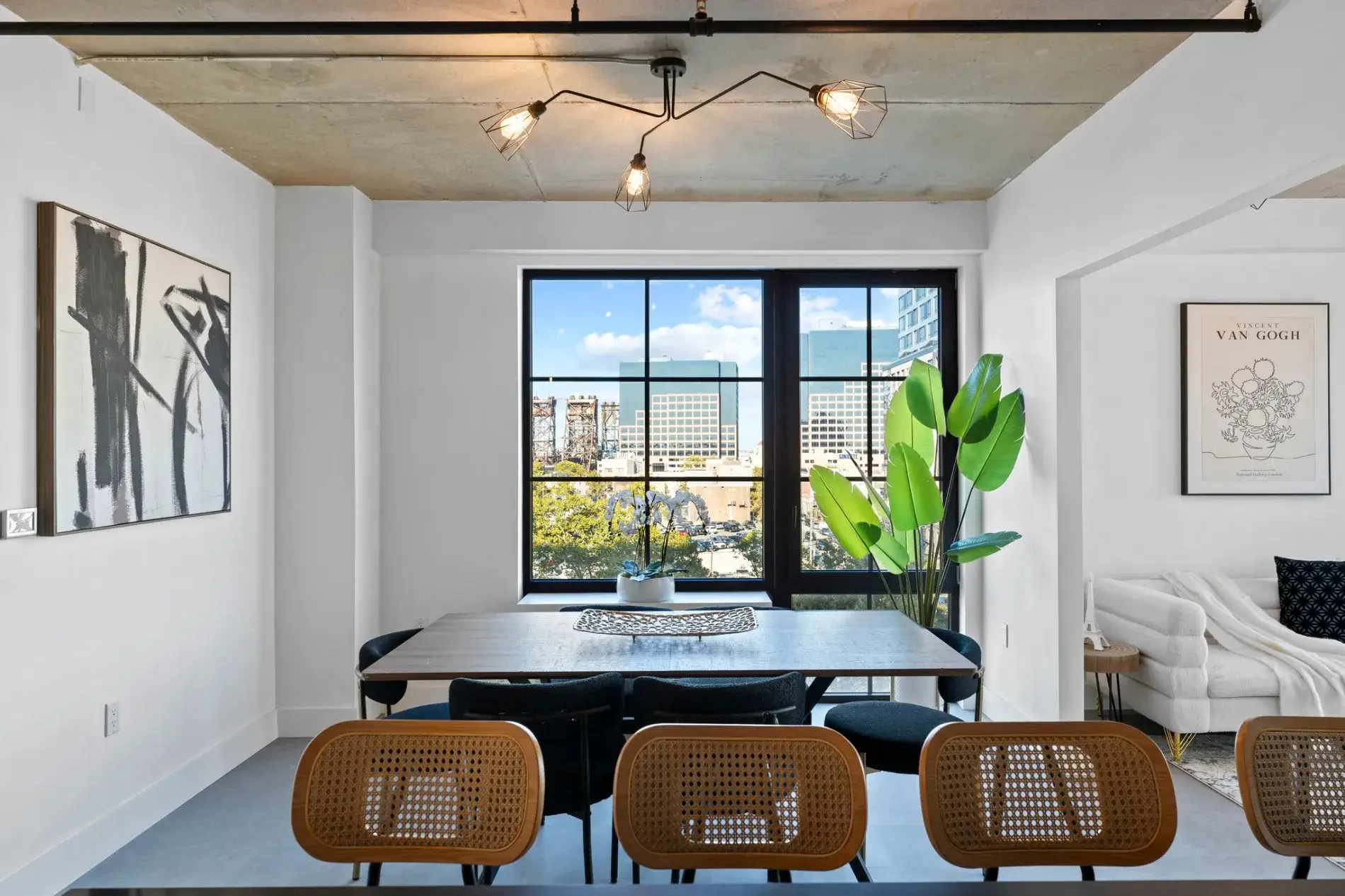
The Ironbound District is experiencing a renaissance of modern residential development while maintaining its cultural character. New construction projects blend contemporary design with neighborhood aesthetics, offering residents luxury amenities and modern conveniences.
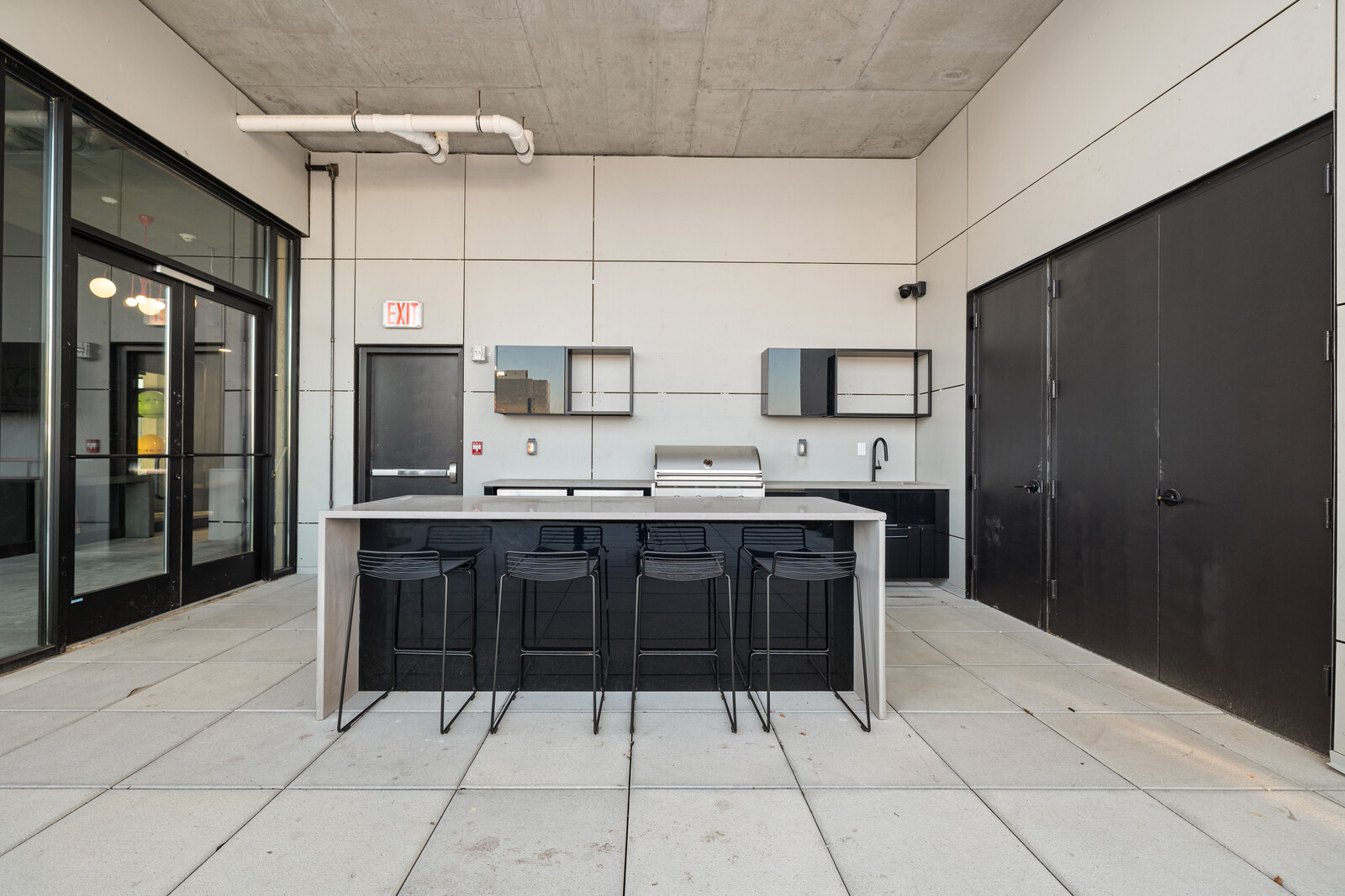
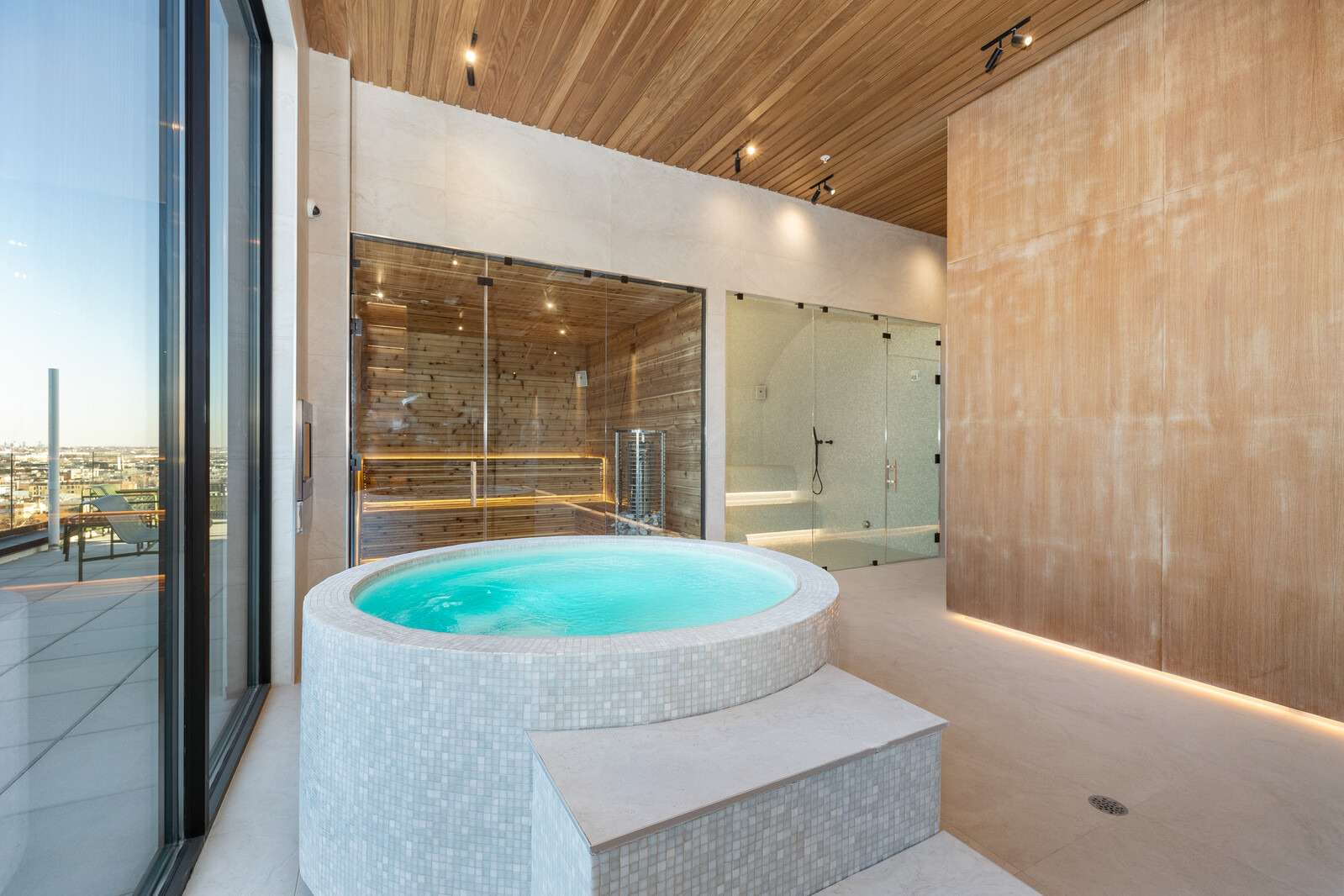
Recent developments feature high-end finishes, fitness facilities, rooftop terraces with Manhattan skyline views, and technology infrastructure including high-speed fiber internet. These projects cater to urban professionals seeking premium living spaces with authentic neighborhood character.
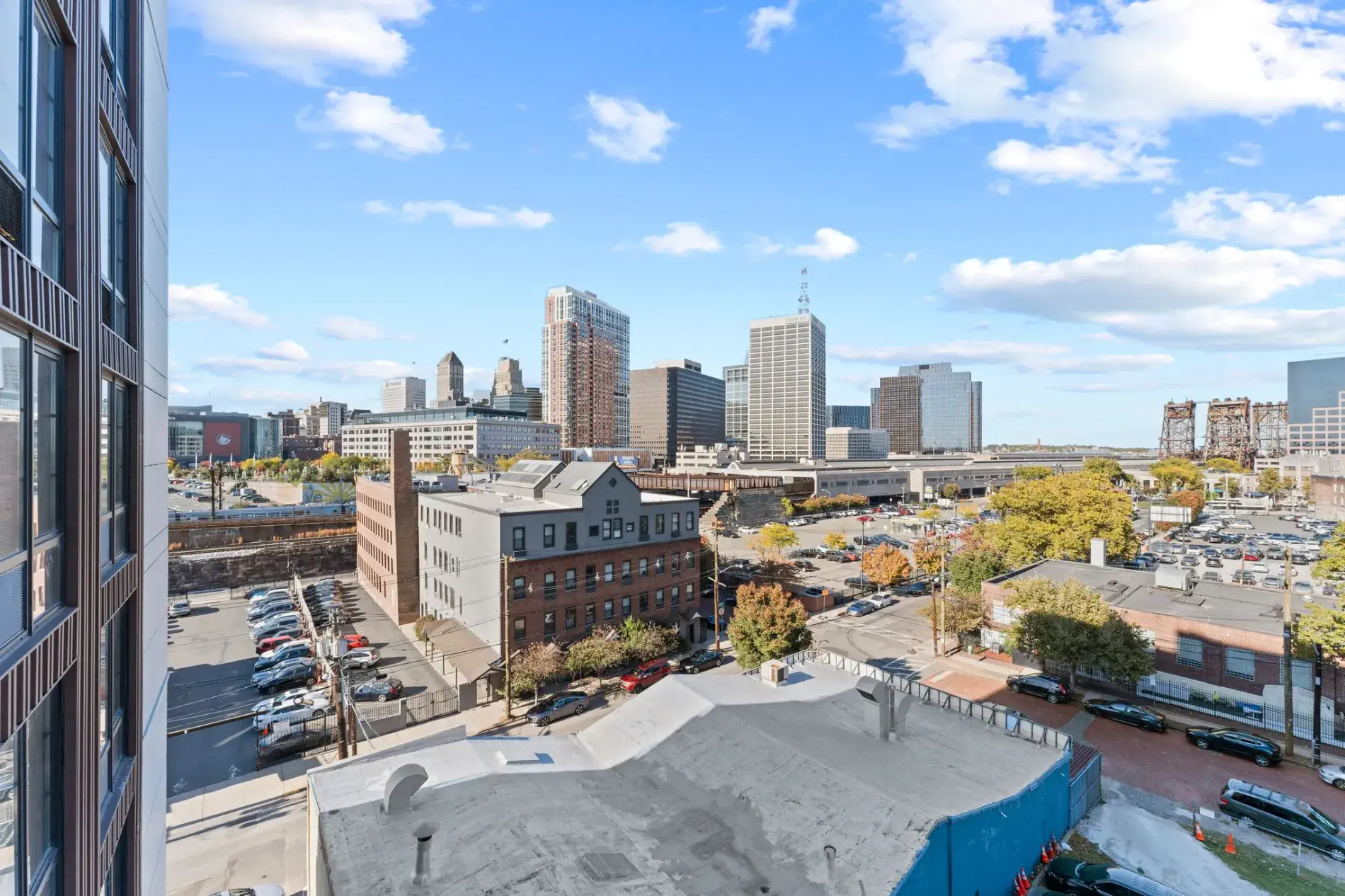
The district's walkable street grid, local shopping options, and proximity to Riverfront Park provide residents with urban amenities and recreational opportunities. Tree-lined residential streets create a neighborhood feel often missing from larger metropolitan areas.
Safety improvements, infrastructure investments, and community development initiatives have enhanced the district's appeal while preserving its authentic character. The result is a neighborhood that offers both urban sophistication and genuine community connections.
Recreation and Community Life
Beyond its renowned dining scene, the Ironbound District offers diverse recreational and cultural opportunities. Riverfront Park provides green space for outdoor activities, jogging paths, and community events with Manhattan skyline views.
The neighborhood hosts several annual festivals celebrating its Portuguese and Brazilian heritage, including street festivals, cultural performances, and community gatherings that bring together residents and visitors from throughout the region.
Local businesses extend beyond restaurants to include specialty shops, services, and entertainment venues. Soccer culture remains strong, with local clubs and viewing parties for international matches creating community connections around shared interests.
The district's proximity to downtown Newark provides access to performing arts venues, museums, and professional sports, while maintaining its own distinct neighborhood identity and local gathering places.
The Ironbound District represents a unique opportunity to experience authentic urban living with exceptional convenience, cultural richness, and financial benefits. Its combination of historic character, culinary excellence, transit connectivity, and modern amenities creates an attractive alternative to traditional NYC living. As the neighborhood continues evolving while preserving its distinctive identity, the Ironbound offers residents the best of both worlds: genuine community character and metropolitan accessibility. For professionals seeking an authentic urban experience with practical advantages, the Ironbound District delivers an compelling lifestyle proposition that's increasingly difficult to find elsewhere in the tri-state area.