What $2,500/Month Gets You: Newark vs Brooklyn vs Jersey City
With $2,500 a month for rent, you're facing a crucial decision that will impact your daily life, commute, and savings for years to come. This budget puts you at an interesting crossroads in the tri-state area, where the same monthly payment can unlock vastly different living experiences. In Newark's emerging luxury market, you might secure a brand-new studio with premium amenities and a 20-minute commute to Midtown Manhattan. In Brooklyn, that same amount could get you a modest one-bedroom in an outer neighborhood with a longer commute. Jersey City might offer something in between. Let's break down exactly what your money gets you in each location, so you can make the smartest choice for your lifestyle and financial future.
Newark: Maximum Value and Luxury Amenities
At $2,500 per month in Newark, you're entering the luxury apartment market with exceptional value. New developments in the Ironbound District are offering amenity-rich living that rivals Manhattan buildings at a fraction of the cost.
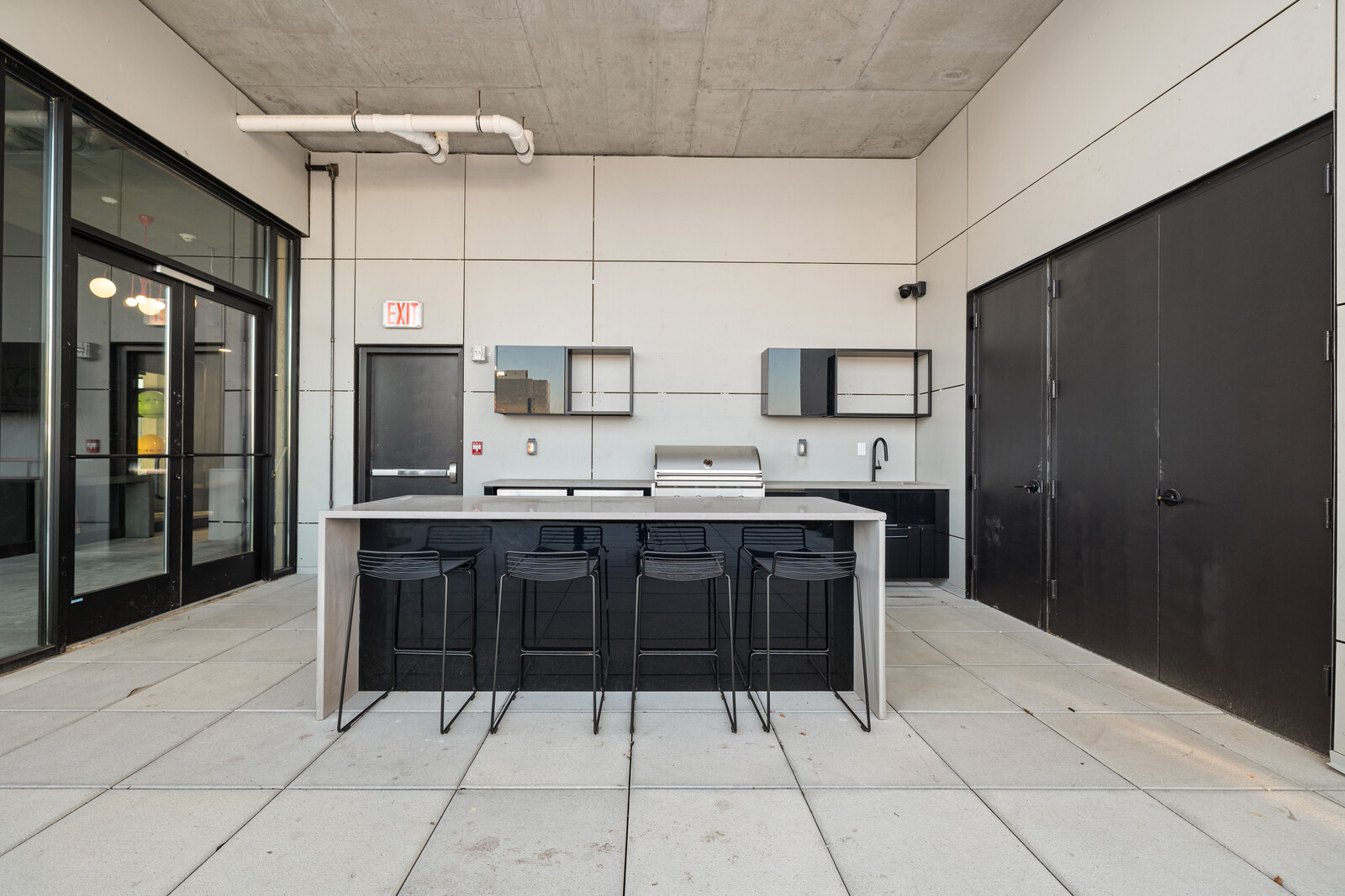
At Iron65, a brand-new 11-story building at 65 McWhorter St, $2,499 gets you a Studio Flex unit with in-unit washer/dryer, quartz countertops, and high-speed fiber internet. The building offers premium amenities typically found in high-end Manhattan developments: a rooftop gym, yoga studio, cold plunge, saunas, and a rooftop terrace with NYC skyline views. You'll also have access to an outdoor kitchen, game room, and 24-hour live security.
The location advantage is significant. Iron65 sits just 8-10 blocks from Newark Penn Station, making your commute to Midtown Manhattan approximately 20 minutes via NJ Transit, or 22 minutes to World Trade Center via PATH train. For frequent travelers, Newark Airport is only 5 minutes away.
The financial benefits extend beyond rent. New Jersey residents don't pay NYC income tax, which can save you $3,000-$9,000 annually depending on your salary. For someone earning $75,000, this tax savings effectively reduces your housing cost by several hundred dollars per month.
Brooklyn: Neighborhood Character with Trade-offs
Brooklyn's rental market at the $2,500 price point requires strategic neighborhood selection and expectation management. In established areas like Park Slope or Williamsburg, this budget typically gets you a small studio or a share in a larger apartment. However, in emerging neighborhoods like Sunset Park, Bay Ridge, or parts of Bushwick, you might find a modest one-bedroom.
A typical $2,500 apartment in Brooklyn's outer neighborhoods might be a 400-500 square foot one-bedroom in a pre-war building. Amenities are generally limited – perhaps a laundromat in the basement and basic building maintenance. In-unit washer/dryer is rare at this price point, and you'll likely be dealing with older appliances and limited storage.
Commute times vary dramatically by neighborhood. From Bay Ridge, expect 45-60 minutes to Midtown Manhattan. From Bushwick, you're looking at 35-45 minutes with at least one subway transfer. These longer commutes mean more time spent underground and higher monthly MetroCard costs, which run approximately $132 per month for unlimited rides.
Brooklyn's advantages include neighborhood diversity, cultural amenities, and the cachet of a Brooklyn address. You'll have access to excellent restaurants, music venues, and the Brooklyn social scene. However, you'll pay NYC income tax on top of state and federal taxes, and grocery costs tend to be higher than suburban New Jersey.
Jersey City: The Middle Ground Option
Jersey City positions itself as a compromise between Brooklyn's urban energy and Newark's value proposition. At $2,500, you're typically looking at a studio in the desirable downtown area near the PATH train, or a one-bedroom in the Heights or other outlying neighborhoods.
Downtown Jersey City studios at this price point are often in converted older buildings or newer high-rises with basic amenities. You might get a doorman and gym access, but luxury amenities like rooftop terraces, saunas, or cold plunge facilities are rare. Many buildings offer package receiving and some have rooftop access, but the amenity packages generally don't match newer Newark developments.
The commute from downtown Jersey City to Manhattan is convenient, with PATH trains running frequently to both Midtown (33rd Street) and downtown (World Trade Center) in approximately 15-25 minutes. However, PATH service can be less reliable than NJ Transit, and the trains are often more crowded during peak hours.
Like Newark, Jersey City residents avoid NYC income tax, providing the same $3,000-$9,000 annual savings. The downtown area offers good restaurants and nightlife, though generally at higher prices than Newark's Ironbound District.
Commute and Transportation Costs Comparison
Transportation costs and commute quality significantly impact your monthly budget and quality of life. From Newark's Iron65, NJ Transit monthly passes to New York run approximately $180-$200, depending on your destination zone. The trains are generally more comfortable than subway cars, with cushioned seats and more space.
Brooklyn subway commutes cost $132 monthly for unlimited MetroCard access, making it the most affordable transportation option. However, subway delays, overcrowding, and longer travel times can impact your daily experience and productivity.
Jersey City PATH trains cost approximately $89 monthly, offering the lowest transportation cost. However, PATH has a more limited route network than the subway, and service disruptions can significantly impact your commute options.
When calculating total commute costs, factor in time value. A 20-minute Newark commute versus a 45-minute Brooklyn commute saves you 50 minutes daily, or over 4 hours weekly. That time has value for work, exercise, or personal activities.
Lifestyle and Neighborhood Amenities
Each location offers distinct lifestyle advantages. Newark's Ironbound District provides authentic Portuguese and Brazilian culture, with excellent restaurants at reasonable prices. The neighborhood is experiencing significant development and investment, making it an emerging area with growth potential.
Brooklyn neighborhoods offer established cultural scenes, from Park Slope's family-friendly atmosphere to Bushwick's art scene. However, dining and entertainment costs are generally higher, and many neighborhoods are experiencing gentrification pressure that's driving up ancillary living costs.
Jersey City downtown provides waterfront parks, diverse dining options, and proximity to Manhattan cultural attractions. The area has good walkability and access to grocery stores, though prices tend to be higher than Newark.
For those interested in renting in Newark, the combination of luxury amenities, transportation convenience, and cost savings creates a compelling value proposition that's difficult to match in Brooklyn or Jersey City.
The Total Cost Analysis
When comparing these three options, consider total monthly costs beyond rent. In Newark, you'll save on NYC income tax, have access to reasonably priced dining and services, and shorter commute times. Your effective housing cost after tax savings and time value could be significantly lower than the nominal rent.
Brooklyn requires NYC income tax payments, higher food and service costs, and longer commute times. While the neighborhoods offer cultural richness, the total cost of living typically exceeds the advertised rent by several hundred dollars monthly.
Jersey City falls between these extremes, with NYC tax savings but higher costs than Newark for daily expenses. The shorter commute than Brooklyn provides some time value, but amenities and space are often limited compared to newer Newark developments.
Your $2,500 monthly budget unlocks dramatically different lifestyles across these three markets. Newark offers the newest construction, best amenities, and strongest financial value. Brooklyn provides established neighborhood character with higher total costs and longer commutes. Jersey City splits the difference but often with compromises on both amenities and value. The choice ultimately depends on your priorities: maximum luxury and financial efficiency, established urban culture, or middle-ground convenience. For many renters, Newark's combination of modern amenities, transportation access, and cost savings makes it the clear winner in the value equation.